


The Wonder Weeks - Baby Leaps
3.8154.00 Reviews
App Specs
- Version
- 12.3.17
- Updated On
- License
- Free
- Downloads
- 500,000+
- Developer
- The Wonder Weeks
- Categories
- Parenting
- Platform
- Android, iOS
Screenshots


 Analysis by AppCompare
When my baby had a restless stretch, I wanted context without turning every change in mood into a cause for alarm. That is the appeal of The Wonder Weeks - Baby Leaps: it gives parents a way to think about development alongside the ordinary day-to-day clues they already notice. I find it most useful as a guide for reflection, not a timetable that can explain every difficult afternoon.
A starting point for making sense of a hard day
The Wonder Weeks is a parenting app from The Wonder Weeks, built around the idea that periods of rapid development may coincide with changes in a baby’s behavior. It is free to download, with in-app purchases ranging from $4.99 to $34.99 per item. The app has an average rating of 4.0 from around 3,100 ratings, and more than 500,000 installs. It is rated for Everyone, so its subject matter is aimed at parents and caregivers rather than children using it on their own.
That context can be reassuring when a familiar routine suddenly feels less reliable. A baby who wants more comfort, naps differently, or seems unusually unsettled can leave a parent searching for an explanation. A developmental framework offers one possible lens, but it should not be treated as a diagnosis or a promise that a specific behavior will occur on a specific day. Babies vary, and the app is best used alongside what you know about your own child.
From setup to a useful routine
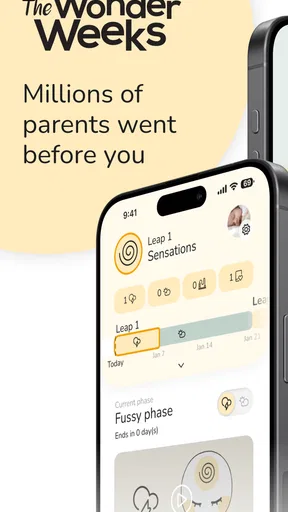
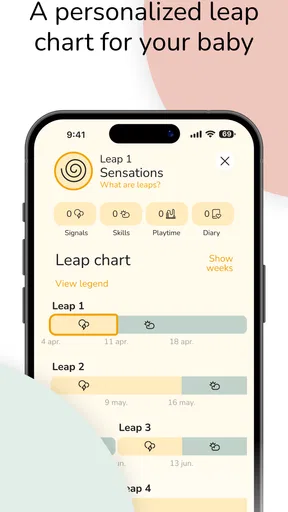
In the original app workflow, you enter your baby’s due date, then use the resulting calendar to see when leaps are expected and read about the stages. The practical benefit is not that the calendar can predict your day perfectly; it is that it gives you something to check when you are trying to make sense of a change. I would enter the date carefully and revisit it if you realize you made a mistake, because the usefulness of any personalized timing depends on that starting point.
A realistic use is to check the app during a calm moment, not while you are trying to settle a crying baby. If the calendar points to a possible developmental phase, I would treat that as a prompt to observe: Is the change persistent? Does it line up with sleep, feeding, a new routine, or something else? That small pause can help me respond with more patience instead of deciding immediately that the app has found the answer.
The Wonder Weeks was released on July 4, 2024, and the current version is 1621 (12.2.16), with Android 7.0 as its minimum operating system requirement. Those details matter if you are deciding whether an older device can run it. The app’s central promise is straightforward, but the value comes from making its guidance fit around real family routines rather than expecting parents to organize the day around an alert.
Turning information into action
Have you ever found yourself wondering why your baby seems particularly fussy or clingy all of a sudden? Well, I’ve been down that road, and let me tell you, it can be a real head-scratcher. That's where The Wonder Weeks app comes in handy. This nifty little tool is like having a baby whisperer in your pocket, ready to offer insights into your baby’s development stages and help you navigate those tricky periods.
Worth Reading Before You Choose

Baby Panda World Brings Quick Play to Modern Phones, but Its Game Library Feels Busy

ESPN’s Live Game View Makes Following Close Games Easier

QuizzLand Review: A Good Fit for Short Trivia Breaks, Not Every Player

Basketball Stars: Multiplayer Is Fast, but Can It Recover When Matches Go Wrong?

WEBTOON Turns Phone Updates Into a Better Reading Routine

Link to Windows Runs on Shared Habits, Not Social Feeds
What Exactly is The Wonder Weeks?
So, here’s the scoop. The Wonder Weeks app is based on the bestselling book by the same name. It’s all about those mental leaps your baby experiences during their first 20 months. These leaps are when your baby’s brain is developing at a rapid pace, which often leaves them feeling a bit unsettled. The app aims to predict and explain these leaps, giving you a heads-up on what to expect and how to support your little one through them.
Getting Started with the App
Setting up the app is a breeze. You just need to input your baby’s due date, and voilà, you’re ready to roll. The app will then create a personalized calendar of when each leap is expected to occur, complete with detailed descriptions of what your baby might be experiencing. It’s like having a crystal ball for your baby’s mood swings!
The interface is super user-friendly, which is a big win in my book. Let’s face it, as a parent, we don’t have time to fiddle around with complicated apps. Everything is laid out clearly, and the app is packed with useful information presented in a straightforward manner.
Diving into the Features
One of the standout features is the Leap Alerts. These are notifications that pop up to remind you of upcoming leaps. It’s almost like having a personal assistant who’s got your back when it comes to baby development. Plus, the app provides detailed explanations of each leap, complete with signs to look out for and tips on how to help your baby through it.
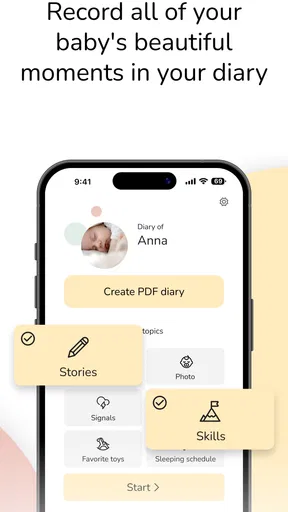
There’s also a diary function where you can jot down notes about your baby’s behavior. This is super helpful for tracking patterns and understanding what makes your little one tick. Plus, the diary is a nice way to reflect on those tiny moments that you might otherwise forget.
The app offers a wealth of articles and resources, too. These cover everything from sleep regression to feeding tips, giving you a comprehensive toolkit to tackle those parenting challenges.
Using it alongside other caregivers
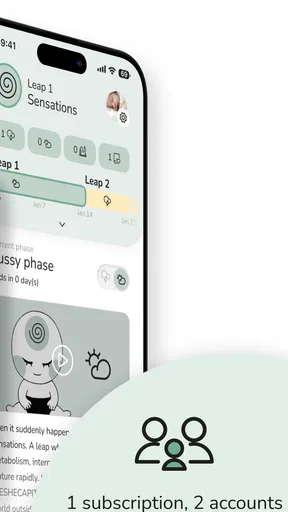
One thing I would do differently from a simple read-and-close approach is use the diary as a handoff note. If one caregiver has been handling naps while another takes over later, short observations about sleep, feeding, or what seemed to soothe the baby can make the next shift easier. The notes are more useful when they describe what actually happened than when they try to label the behavior as a leap.
That distinction also keeps the app grounded. A calendar can offer a shared reference point, but it cannot tell a partner, grandparent, or childcare provider what your baby needs in the moment. I would use the leap information to start a conversation, then pass on concrete details: what changed, when it happened, and what helped. This turns the app into a prompt for clearer communication rather than a substitute for it.
Notifications can be handy if you like reminders, but they can also become one more interruption in an already busy day. If an alert makes you anxious or encourages you to monitor every mood shift, I would turn off or ignore the reminder and check the material when it suits you. A useful parenting tool should reduce mental load, not make you feel behind on keeping up with your baby.
Where the guidance helps—and where it stops
Now, let’s talk about how this app holds up in real life. Honestly, it’s been a game-changer for me. Knowing when a leap is coming up allows me to prepare mentally and emotionally. It's like having a secret weapon to help manage those intense days when nothing seems to soothe your baby.
What’s really cool is how the app helps strengthen your bond with your baby. By understanding what they’re going through, you can be more empathetic and patient. It’s kind of like joining your baby on their little adventure through life.
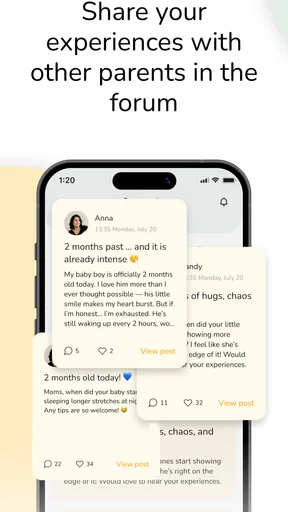
And let’s not forget the community aspect. There’s a whole section where you can connect with other parents who are going through the same stages. It’s reassuring to know you’re not alone, and you can swap tips and advice with fellow parents in the trenches.
Compared with a basic calendar or a general parenting guide, the distinctive angle here is organizing information around predicted developmental leaps. A general baby diary may be better if your main goal is recording feeds, sleep, or symptoms without an interpretive framework. A book can be easier if you prefer to read a longer explanation at your own pace, while this app is more convenient when you want to check a stage on your phone. I would not choose it as my only source for health questions; a developmental calendar cannot assess illness, feeding concerns, or a persistent change in behavior.
It is also worth remembering that the same phase will not look identical in every household. If your baby does not match the signs described, that does not mean you are using the app incorrectly, and it does not mean you need to search harder for a matching symptom. I find the most balanced approach is to use the material as a set of possibilities, keep noting what you observe, and seek appropriate professional advice when a concern is medical rather than developmental.
Who will get the most from it?
I think the app suits first-time parents who want a structured way to learn about developmental changes, as well as caregivers who appreciate having an explanation to discuss together. It can be especially useful when a baby’s behavior has shifted and you want a calm reference point before deciding how to adjust the routine. Parents who already enjoy reading about development may find the calendar and articles a convenient companion to their other resources.
It is less suited to someone who wants a strict sleep schedule, a medical tracker, or certainty about why a baby is upset. It may also frustrate parents who prefer not to receive predictions, because a date on a calendar can feel more definite than it really is. If that framing makes you second-guess your own observations, a simple notebook or a less predictive baby log may be a better fit.
The free download makes it possible to try the basic experience, but the presence of paid in-app items is worth keeping in mind before purchasing anything. I would first decide what you actually want from the app—stage explanations, reminders, diary notes, or a broader set of resources—and then judge whether the paid content is relevant to your needs. That is a more practical way to assess the optional purchases than buying because a difficult week has made you feel you need every available answer.
Wrapping It Up
All in all, The Wonder Weeks app is a must-have for any new parent. It takes the mystery out of those tricky developmental phases and equips you with the insights and tools you need to support your baby’s growth. Whether you’re a first-time parent or a seasoned pro, this app is a valuable companion on your parenting journey.
So, if you’re ready to make sense of your baby’s behavior and feel more connected with them, give The Wonder Weeks app a try. Trust me, it’s worth every penny, and your sanity will thank you!
My recommendation comes with one important qualification: think of it as a perspective, not a verdict. Used that way, its calendar, explanations, and notes can help you approach a rough patch with more context and share observations with the people caring for your baby. If you want exact answers or a replacement for medical guidance, I would look elsewhere; if you want a focused developmental companion that helps you pause, observe, and respond thoughtfully, it is a worthwhile option to explore.
Pros
- Intuitive interface for easy navigation.
- Detailed insights on baby development.
- Customizable notifications for milestones.
- Offline access to content available.
- Supports multiple child profiles.
Cons
- Limited free features; in-app purchases required.
- Some users report occasional crashing.
- Content can be overwhelming for new users.
- Requires frequent updates to stay current.
- Not all information applies to every baby.
FAQs for The Wonder Weeks - Baby Leaps
What is The Wonder Weeks app, and how does it work?
The Wonder Weeks app is designed to help parents track their baby's developmental milestones, known as "leaps." It provides insights into what changes to expect in behavior and skills during each leap period. By inputting your baby's birth date, the app calculates and predicts when these leaps will occur, offering personalized guidance and tips.
Is The Wonder Weeks app suitable for all babies?
The Wonder Weeks app is based on extensive research and is generally applicable to most babies. However, every child is unique, and developmental timelines may vary. While the app provides a useful framework, it's important to consider your baby's individual needs and development pace alongside the app's suggestions.
What features does The Wonder Weeks app offer?
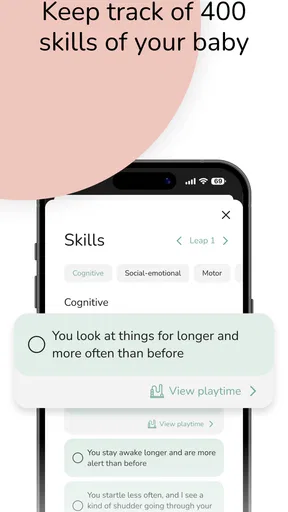
The app includes features such as a personalized leap calendar, detailed descriptions of each developmental leap, behavioral cues to watch for, and tips on how to support your baby during each phase. It also offers a diary function for tracking your baby’s progress and a community forum for connecting with other parents.
How user-friendly is The Wonder Weeks app?
The Wonder Weeks app is designed to be user-friendly, with an intuitive interface that allows easy navigation through its features. The information is presented clearly, making it accessible even for new parents. Additionally, the app offers notifications to remind users of upcoming leaps and tips on how to handle them effectively.
Does The Wonder Weeks app require a subscription?
The Wonder Weeks app is a one-time purchase that provides access to all its features without additional subscriptions. Once purchased, users can enjoy lifetime updates and access to new content as it becomes available. This makes it a cost-effective tool for parents looking to understand and support their baby's development.


